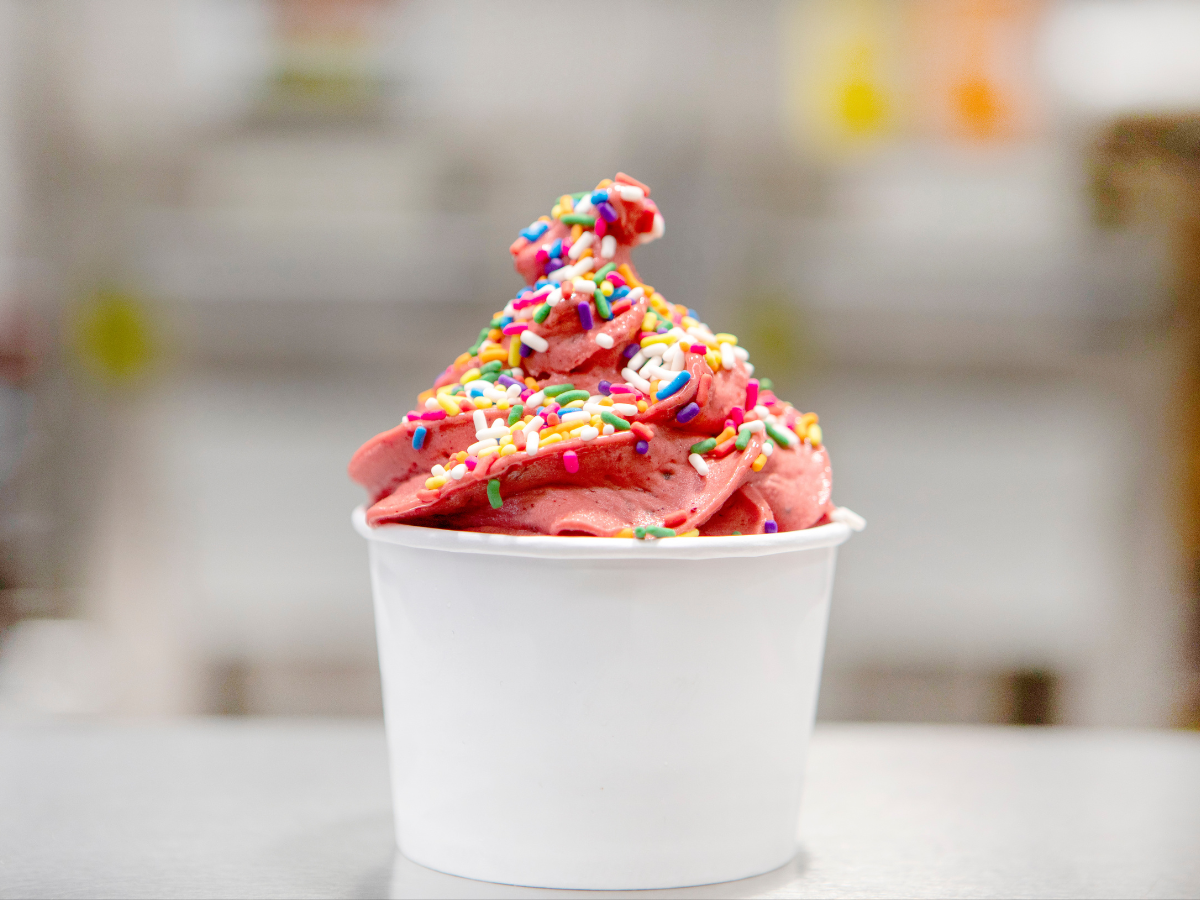
The line outside a frozen yogurt shop in downtown Manhattan would’ve been rather unremarkable in a city filled with trendy experiences, except for one detail.
It was really cold.
“I was stunned to see people lining up in the winter to buy frozen yogurt,” said Howard Schultz, the former head of Starbucks.
Schultz, who is advising the company, liked what he saw that chilly day at Mimi’s, which had opened its first location the previous August. The 72-year-old billionaire is credited with changing how Americans think about coffee with better ingredients and more of a higher-end experience. He sees similarities in how Mimi’s is approaching fro-yo.

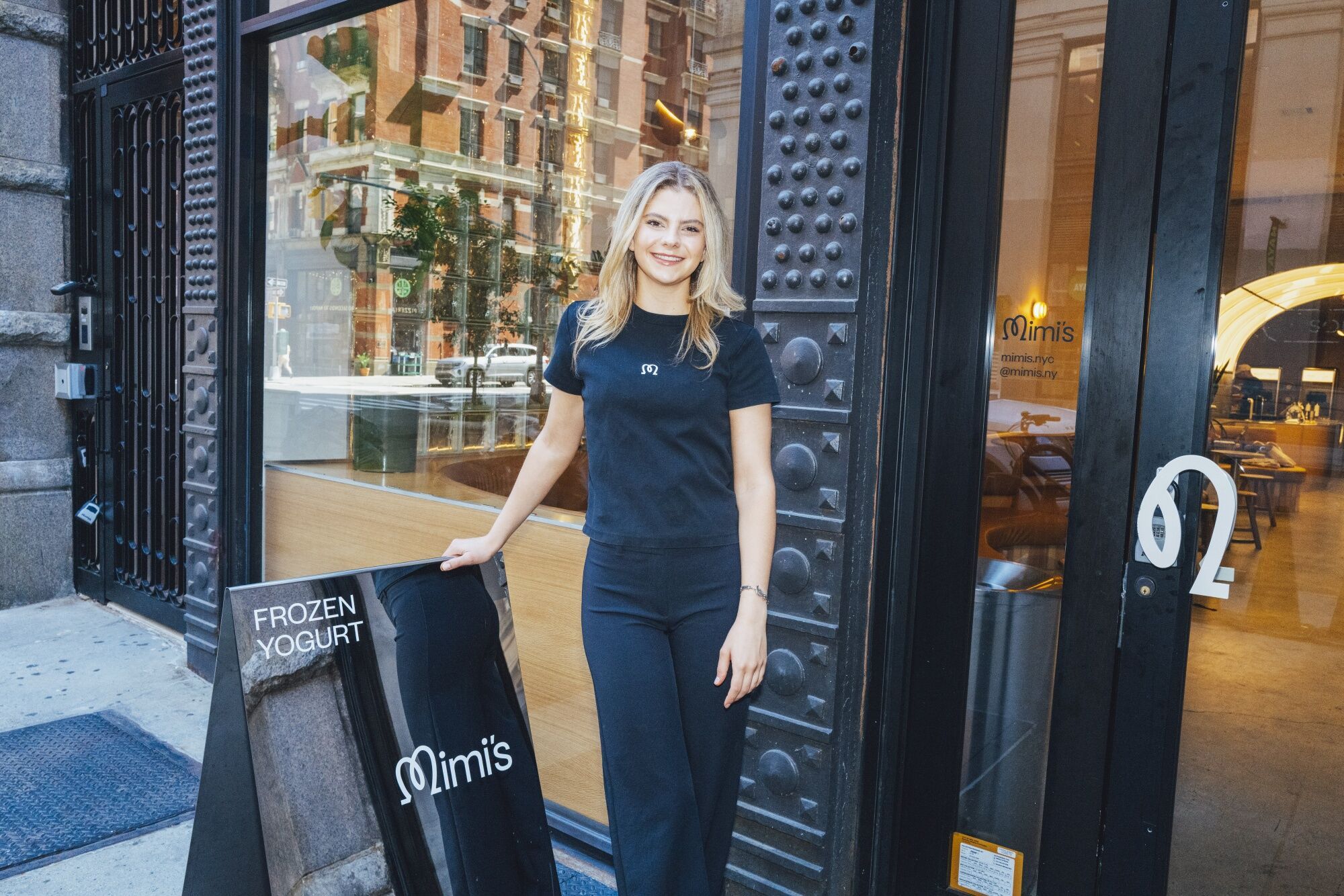
“She is in a commodity business like we were,” Schultz said of Amber Linz, Mimi’s twenty-something co-founder. She realized early on the need to build a premium brand, and she’s done a “very good job of elevating the experience.”
Mimi’s is part of a burgeoning renaissance of frozen yogurt, which includes other shops such as Birdie’s, Myka and Mythos, taking hold in New York and other parts of the United States. These companies are winning over Generation Z with artisanal toppings like Italian-made pistachio sauce, vibey stores for hanging out and a pitch that fro-yo is a healthy-ish treat. The approach is working, and they’ve persuaded fans to pay upwards of US$30 for their fro-yo bowl.
In the U.S., servings of frozen yogurt rose 26 per cent to about 87 million in the 12 months through March, according to researcher Circana. The trend is being driven by Gen Z , whose oldest members are in their late 20s, as they seek out healthier lifestyles. They are drinking less alcohol, exercising more and looking at food labels for nutritional value.
Fro-yo fills that need of wanting to indulge without attaching guilt, according to David Portalatin, a senior vice president at Circana. The thinking goes: “I can have this treat and also feel like I’m making a better choice.”
Jenny Ammirati has seen the shift first hand. When she co-founded Culture with her husband about 15 years ago in Brooklyn, customers asked about their yogurt’s fat content. Now they want to know if it’s probiotic, made from scratch and if the flavours are real, she said.
Ice cream does have more calories than frozen yogurt, but that can quickly be eroded with toppings. At Mimi’s, customers can add a mix of healthy and not-so-healthy options including fresh fruit, cookie dough and chocolate chips. Still, the appearance of being better for consumers is helping fro-yo’s resurgence.
“They want to feel like that they’re getting something sweet, but they’re not getting into the caloric killer that can be ice cream or gelato,” said 23-year-old Raitah Jinnat, an incoming student at New York University, as she ate some Mimi’s.
Fro-yo’s initial boom came in the late 1980s and early 1990s during the aerobics craze when an increasing number of Americans began cutting back on sugar. Brands like TCBY and Tasti D-Lite pitched themselves as lower-calorie replacements for ice cream.

The next wave came in the aughts when Pinkberry, Red Mango and 16 Handles emerged with better ingredients, tangy flavors and higher prices. Pinkberry, based in Los Angeles, made a name for itself with celebrity fans like Paris Hilton early on and was known for having lines out the door.
At Mimi’s two stores, both in Manhattan, the lines have become so long that customers are offering tips in online reviews on what time of day to try to avoid a crowd. At the location near New York University, large round tables make for cozy seating. The self-serve yogurt stations lead into a crisp white toppings bar under warm lighting and high ceilings.
It’s ideal for taking photos, and that’s intentional. Linz wants customers to style their fro-yo and share with friends on social media, much like other young companies in food and beverage retailing. She said it’s part of her push to elevate fro-yo above a quick bite, saying: “It’s their canvas.”
And it’s working. Mimi’s is profitable, according to Linz, and a third location is slated for Manhattan’s Upper East Side, following stores in SoHo and Greenwich Village. She said her biggest takeaway from Schultz has been to thoroughly prepare for expansion in what she summed up as “go slow, to go fast.”
Schultz said he’s been impressed by the way a Mimi’s location comes to life with customers using the self-serve stations to make their own concoctions. As for the broader fro-yo resurgence, he chalks it up to a simple formula.“It’s an affordable luxury,” Schultz said. “It’s just fun.”