Toronto will be teeming with movie stars in the middle of September as the city holds one of the world’s most prestigious film festivals. This year, the Hollywood types will be joined by some of the biggest names in global finance .
Blackstone Inc. President Jon Gray, BlackRock Inc.’s Larry Fink and Barclays PLC chief executive CS Venkatakrishnan are among the executives set to attend an investment summit being organized by Prime Minister Mark Carney and two of Canada’s largest pension funds, according to people with knowledge of the matter. Representatives from major state-owned funds, including Saudi Arabia’s Public Investment Fund and Temasek Holdings chief executive Dilhan Pillay, have also accepted invitations.
As cinephiles head to world premieres starring Helen Mirren and Chris Rock, the leaders of more than 100 investment firms , companies and government agencies will be gathered nearby at a luxury hotel in Canada’s largest city. On the agenda: energy security, defence spending, artificial intelligence, infrastructure — and deals.
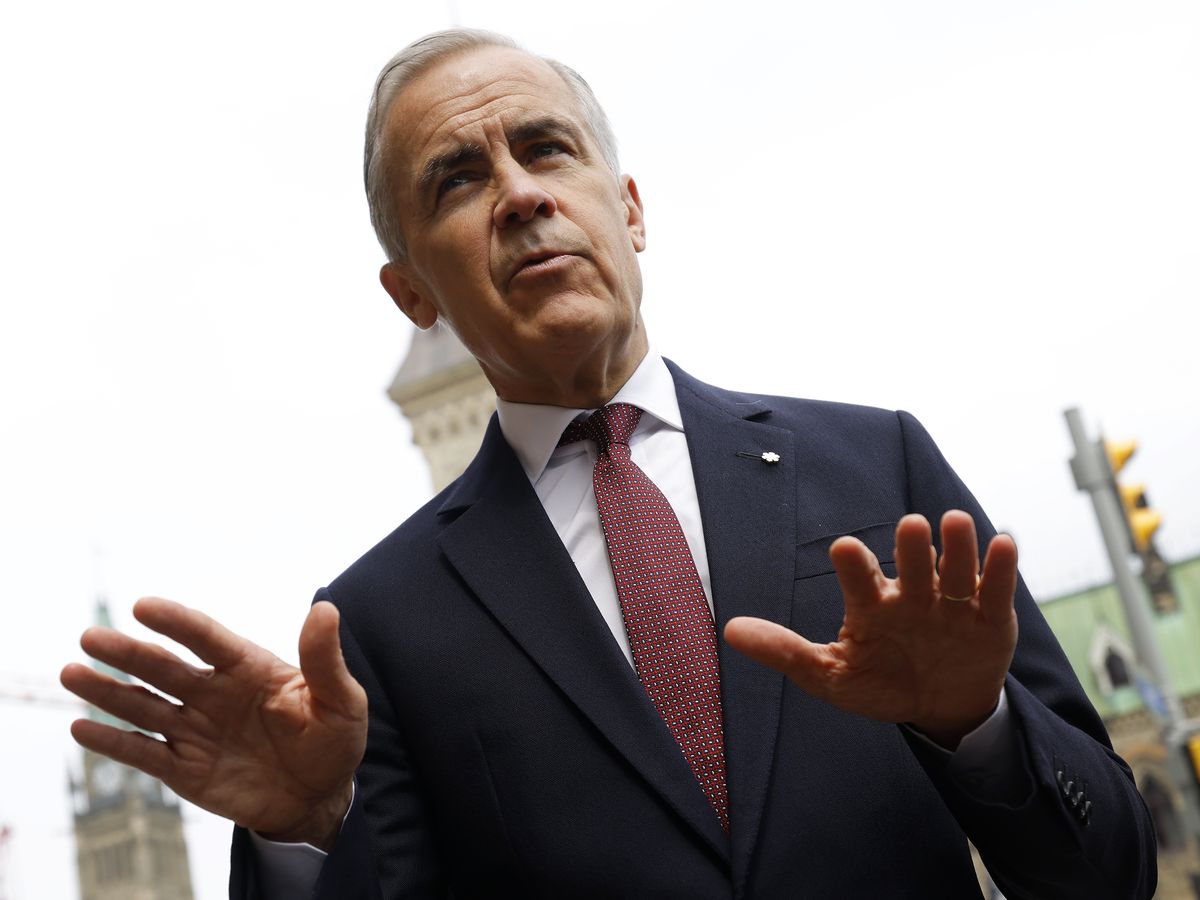
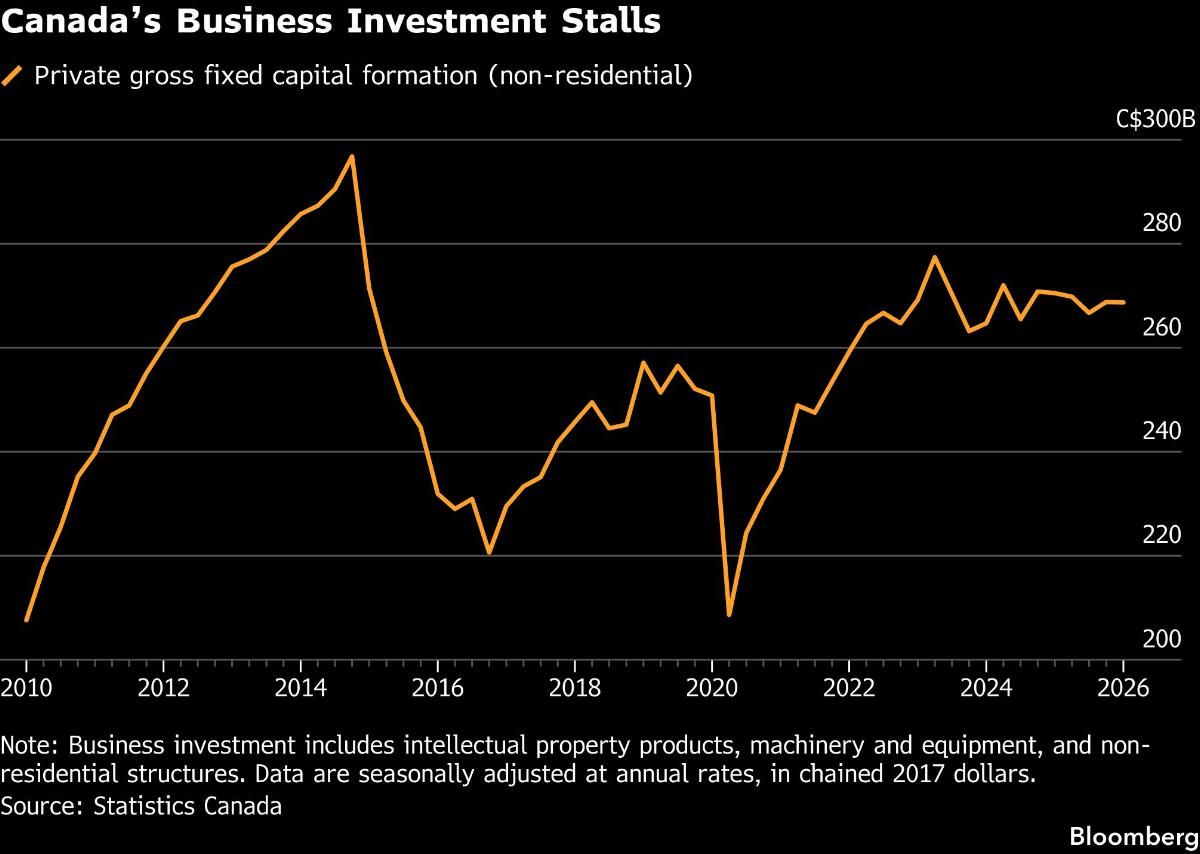
The event on Sept. 14 and 15 is an important step in Carney’s plan to rebrand Canada as a destination for global capital and a place where business gets done. A decade of stagnation in private-sector investment has made the Canadian economy more vulnerable to supply shocks and policy shifts, especially the tariffs imposed by the United States, the country’s largest trading partner.
The summit’s attendees will represent the largest collection of assets under management ever assembled in one place in Canada, according to one official, speaking on condition they not be named because the list and the agenda are still private. The government’s intention is to make it a recurring event.
Carney’s goal is to generate $500 billion of private investment over five years. Some of that money would go toward ports, pipelines or other projects to help the country increase exports to Asia and Europe. But the government is also looking to boost investment in mining, technology and other sectors.
Canadian officials are working on an extensive deal book for the summit that will include a list of government-backed initiatives that investors can participate in, as well as projects by private and public companies, according to people familiar with the planning, who requested not to be named because the matter is private.
Numerous government entities are involved, including the Canada Pension Plan Investment Board and Public Sector Pension Investment Board, which manage more than $1 trillion of public retirement money. Invest in Canada, a government agency, is helping with the logistics of the event, and the government’s Major Projects Office is also involved.
But this is Carney’s summit. The prime minister has had a direct hand in the planning, including who’s invited, with input from CPPIB chief executive John Graham and Canada’s ambassador to the U.S., Mark Wiseman — himself a former executive at Canadian pension funds and at BlackRock.
The event is expected to include panel discussions on energy and innovation, featuring the CEOs of some of Canada’s biggest and buzziest companies. But the focus is major infrastructure projects and on creating a setting where investors can look at opportunities. The prime minister’s office is encouraging invited firms to announce commitments or investments, according to one of the people.
Toronto will be unusually busy that week. The Toronto International Film Festival will be in full swing, offering those attending Carney’s summit access to celebrity-hosted dinners and other events. The Milken Institute is planning its first summit in the city around the same time.
The Canadian Venture Capital & Private Equity Association is hosting its own conference on Sept. 14, with the aim of showcasing emerging companies and mid-market investments under $100 million to dealmakers from global firms. The idea is that “the investment teams travelling with those CEOs for the prime minister’s summit can meet Canada’s best growth companies and the fund managers behind them,” said Benjamin Bergen, the association’s chief executive.
The prime minister’s invitation-only event is expected to include representatives from about 100 foreign firms , along with the CEOs of Canada’s biggest banks and asset managers plus provincial premiers and other government officials, the people said.
The list of likely attendees includes Macquarie Group Ltd. chief executive Shemara Wikramanayake and infrastructure chief Karl Kuchel; Rachel Elwell, the chief executive of Border to Coast, the United Kingdom’s largest owner of pension assets; and Ardian SAS co-chief executiveMark Benedetti, said the people. The United Arab Emirates, which pledged last year to invest around US$50 billion in Canada, plans to send representatives from its sovereign wealth funds. IFM Investors, an infrastructure firm that’s owned by pension funds including AustralianSuper, also accepted Carney’s invitation.
Selling Canada
Business investment in Canada has been soft for most of the past decade. Excluding housing, gross fixed capital formation accounts for roughly 11 per cent of the country’s gross domestic product. That’s down from about 14 per cent at the end of 2014, when tumbling energy prices began to curtail investment into the oil sands in the western provinces.
That weakness has hurt Canada’s wealth and productivity. Over the past 10 years, the country’s growth in real gross domestic product lagged only the U.S. in the Group of Seven. But Canada’s performance has been driven by rapid population gains, and is still well below historical trends.
Economists have identified a list of issues: Uncertainty, regulatory burdens, public-sector spending, unfavourable taxation, lack of competition, internal trade barriers and overreliance on less-expensive immigrant labour. The Bank of Canada has called the country’s faltering productivity an emergency.
Former Prime Minister Justin Trudeau’s government — with its emphasis on social and environmental reforms — was frequently criticized for hindering investment opportunities. Carney seized on that narrative as he swept to power last year, and he has pledged to mobilize $1 trillion worth of private and public investment over time.
Part of his task now is to prove to international investors that the government is serious about addressing these concerns, especially regulation.
The government’s goals — to boost capital spending and diversify Canada’s trade relationships — may be showing some early returns. Earlier this month, Bank of Canada Governor Tiff Macklem struck an optimistic tone, saying businesses were adapting to trade barriers with the U.S. Senior Deputy Governor Carolyn Rogers said the government’s investment agenda may be helping overall business sentiment.
Still, with much of the country’s household savings plowed into housing, Canada’s investment revival hinges on getting companies and international investors to deploy capital.
—With assistance from Mathieu Dion, Derek Decloet, Melissa Shin, Preeti Singh, Leonard Kehnscherper, David Ramli, Amanda Cantrell and Jack Sidders.