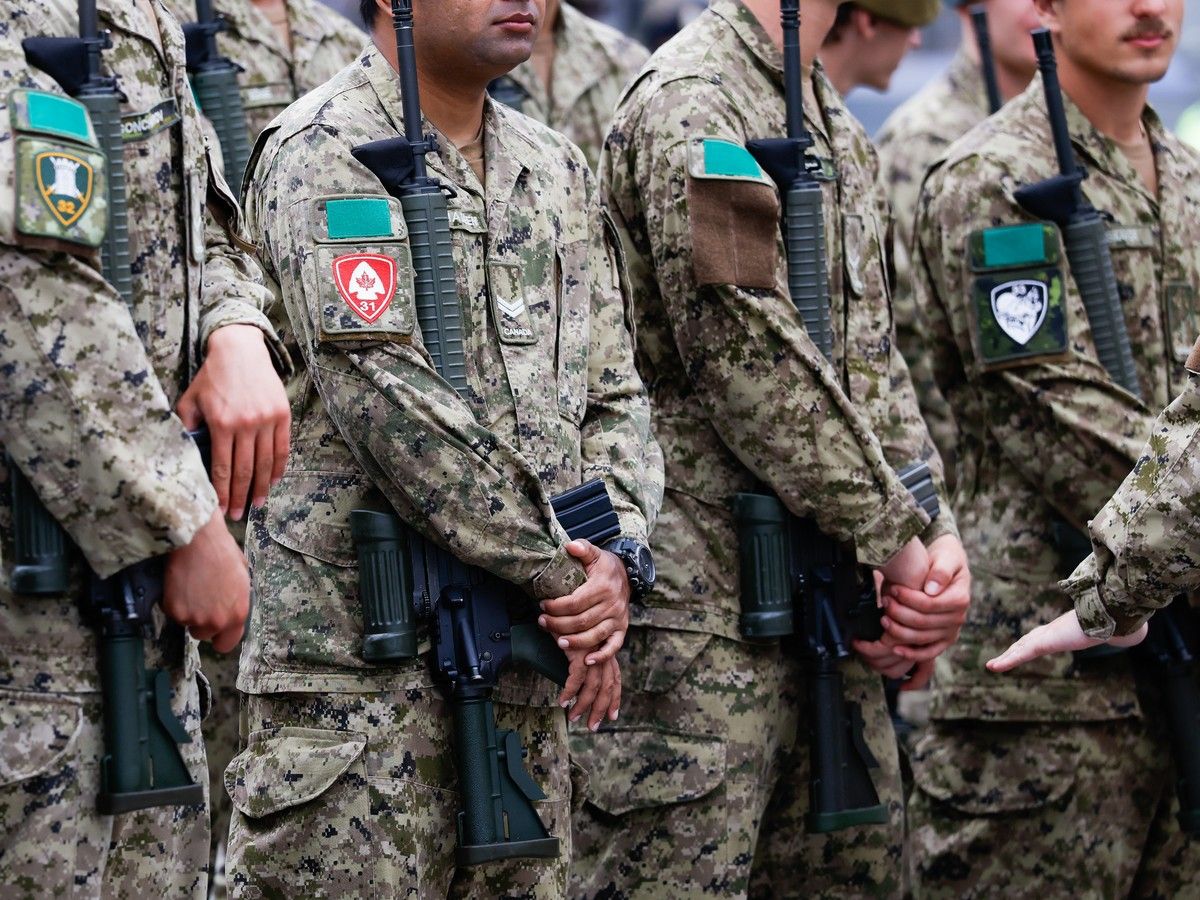
The federal government has issued new guidance regulating religious observances, including the mention of God, at military ceremonies, instead suggesting what it calls “spiritual reflections.”
The policy , which was issued on Wednesday, sets out rules around such “spiritual reflections” in a military setting, which it defines as “inclusive public addresses to a group of individuals that nurture resilience by fostering meaning, purpose, and spiritual well-being, especially within a culture of care and service.”
Canadian Armed Forces acting chaplain general, Shaun Yaskiw, told National Post that the goal of the new guidance is to ensure that those present at such events feel that their beliefs are valued, including atheists.
“It’s not our intention to restrict religious belief,” Yaskiw said. “In fact, as a chaplain, it is my professional responsibility to be able to see and respect the full expression of spiritual and religious beliefs of those who come to me.”
The new policy explains that spiritual reflections do not use religious-specific language, “including references to God.” Instead, “They reflect upon lessons learned, beliefs, values, and experiences to inspire gratitude, remembrance, hope, and integrity.”
Where religious observances have been requested, chaplains must instead offer these spiritual reflections. This includes at military parades, graduations, change of command ceremonies, ribbon cuttings and honours and awards ceremonies, among others.
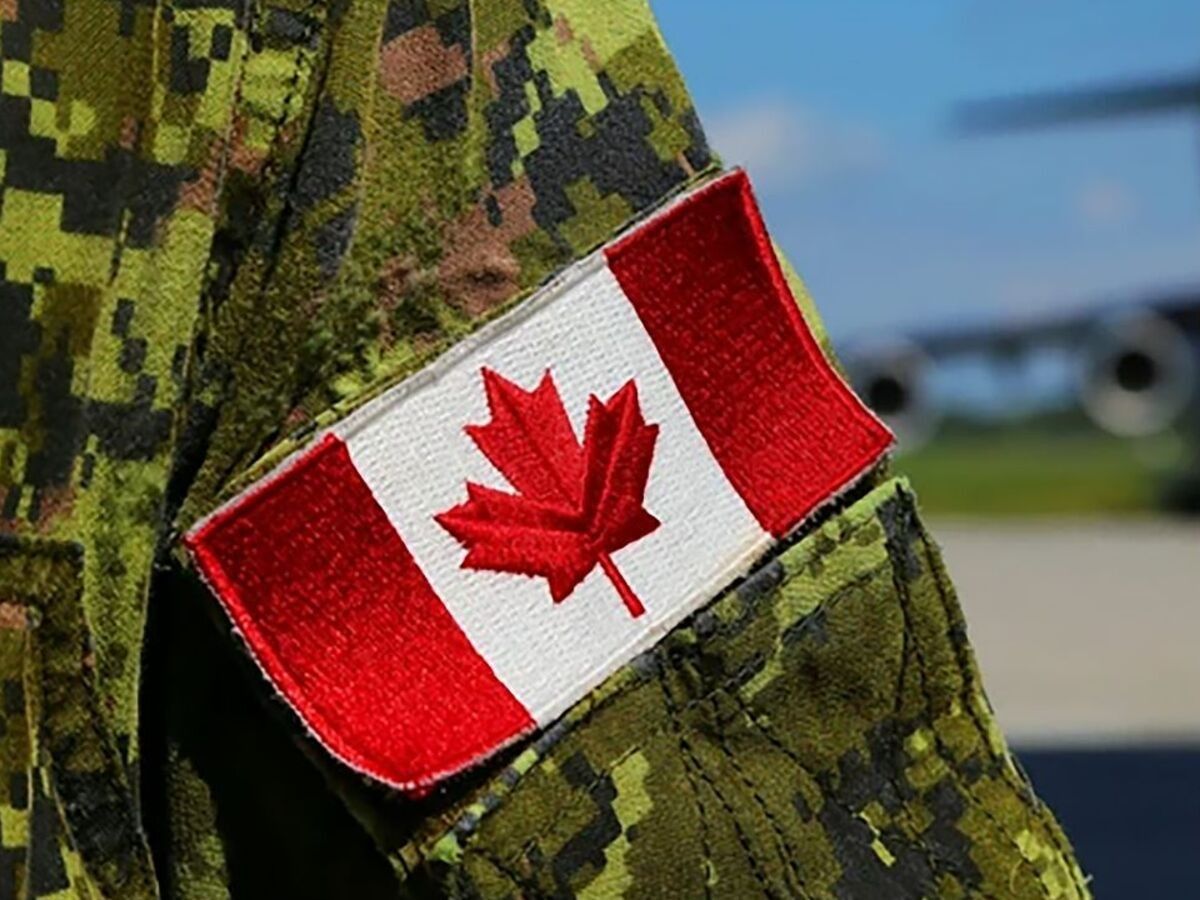
Despite the Canadian national anthem’s mention of God, which asks “God keep our land glorious and free,” the Canadian Armed Forces has a duty to maintain religious neutrality.
This means that CAF members making public remarks or delivering an address are not allowed to use words, actions, or symbols specific to a particular religion, according to the new guidance.
That said, the policy does allow the inclusion of Indigenous practices in military settings for cultural, historical, and educational purposes. The inclusion of these practices is part of the recognition of Indigenous rights and an ongoing commitment to reconciliation, the policy says, but “it does not constitute an endorsement or advancement of a particular system of belief.”
The new guidance applies to all CAF members — including volunteers, students, casual workers and contractors — as well as those providing spiritual or religious services in support of the military.
“I want my words to touch the hearts of those who have gathered and to be meaningful to them. But I also have an obligation, as a representative of the Canadian Forces, to be neutral and not privilege one set of religious beliefs over another,” Yaskiw said. “It’s about finding a balance between the two.”
However, the change does not prevent chaplains from providing religious care in private settings, including counselling, faith-specific gatherings, worship services, or requested religious rites.
“The intention is to govern military ceremonies where members are required or expected to attend…Chaplains are are still encouraged to support and plan opportunities for members to gather — whether it’s for prayer or study of sacred texts — in a variety of voluntary settings,” Yaskiw explained.
The guidance has drawn criticism from opposition MPs, who see it as an attack on freedom of religion.
This is absolutely egregious. The Liberal government has issued a directive barring military chaplains from doing prayers at military ceremonies. Instead, they’re permitted only to do a non-religious “spiritual reflection” that cannot mention God. pic.twitter.com/q78IrRS34H
— Andrew Lawton (@AndrewLawton) July 31, 2026
Conservatives are deeply concerned about this Liberal government’s continued interference in the traditions, values, and personal freedoms that have defined the Canadian Armed Forces.
The Government’s new directive restricting prayer and religious expression in official military…
— James Bezan (@jamesbezan) July 30, 2026
On social media, shadow defence minister James Bezan wrote: “Conservatives are deeply concerned about this Liberal government’s continued interference in the traditions, values, and personal freedoms,” adding, “This is yet another attack…on freedom of religion and expression.”
Elsewhere, Conservative MP Andrew Lawton called the new policy “absolutely egregious.”
However, Yaskiw is clear that the guidance is focused on inclusivity, not restriction. “We recognize that the people who are gathered before us come from all across Canadian society, and so many of them come with a variety of spiritual and religious beliefs that are reflective of our broader Canadian landscape, while others don’t express a particular spiritual or religious belief,” he said.
The new guidance comes after a directive was issued in October 2023 compelling military chaplains to “carefully choose words that are inclusive” to those assembled at public addresses, including atheists.
Then chaplain general J.L.G. “Guy” Bélisle said the changes were necessary following the Supreme Court of Canada’s Saguenay decision in 2015 , which found that the state has a duty to uphold religious neutrality in public settings. He tempered his own Remembrance Day address at Ottawa’s National War Memorial the following year, prefacing his remarks as a “reflect(ion)” rather than a prayer.
Father Timothy Nelligan, who served over 35 years as a Canadian Armed Forces member and two decades of those as a Roman Catholic chaplain, told National Post in an interview at the time that the directive was “a further trek down the road of trying to eliminate religion altogether in the military.”
Yaskiw, however, told National Post that CAF’s chaplaincy is growing, and that the role is a privilege. “The Canadian Forces respects and recognizes the spiritual dimension of those who offer themselves in service to their country in uniform, which is why we have chaplains all across the country,” he said.
According to a 2021 review of the Royal Canadian Chaplain Service , 61 per cent of CAF members identified as religious. Of those surveyed, 27 per cent identified as Catholic, 20 per cent as Protestant, 7 per cent identified with another Christian denomination and 7 per cent practiced a different religion to Christianity.
Our website is the place for the latest breaking news, exclusive scoops, longreads and provocative commentary. Please bookmark nationalpost.com and sign up for our daily newsletter, Posted, here.