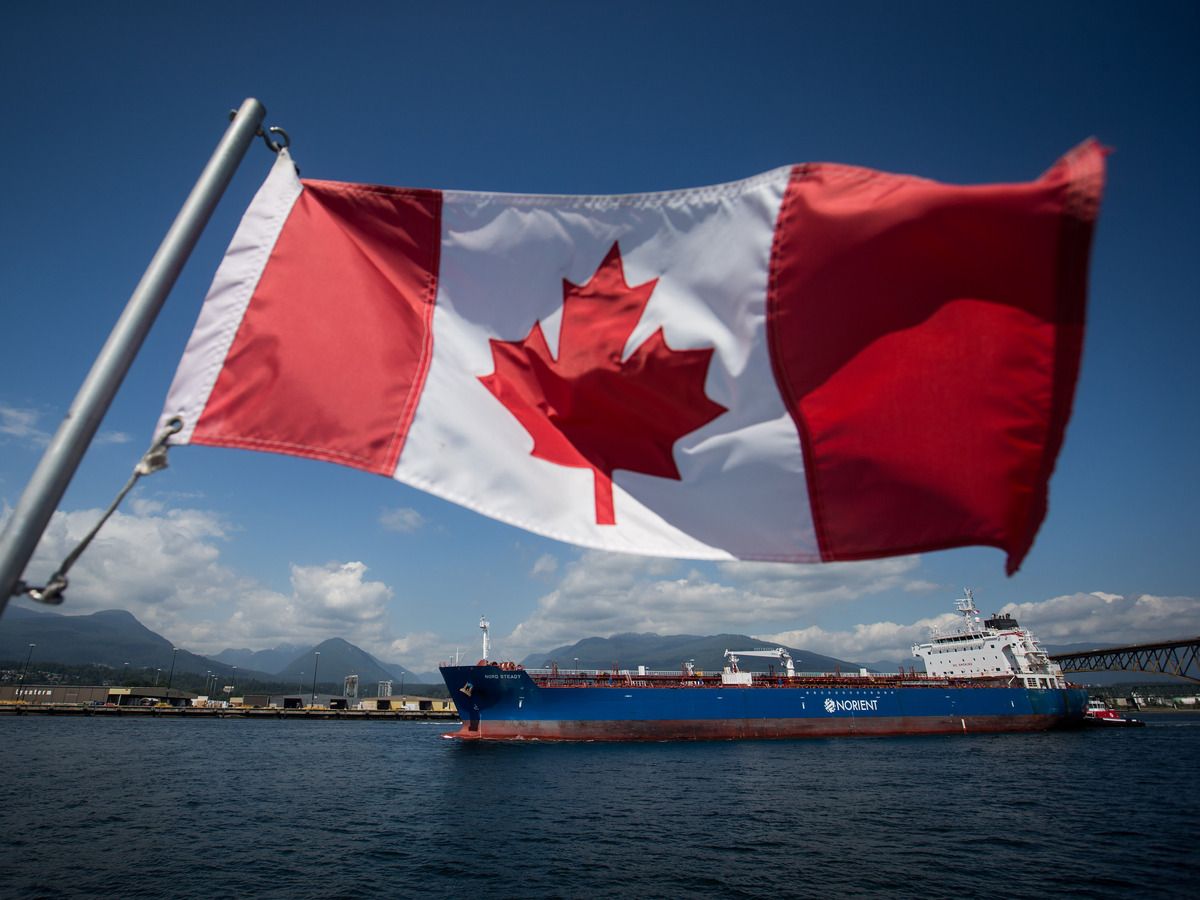
Canada,
and
will be among the largest contributors to a coordinated release of
in response to disruptions from the Iran war, the
said Thursday
The releases comes as part of the the IEA’s pledge to release up to 400 million barrels as concerns grow over what it has called the
largest supply disruption on record
.
The
has continued to effectively halt shipping through the vital
, forcing some of the world’s largest oil producers to curb output as escalating attacks on key energy facilities in the Persian Gulf raise expectations for long-term supply disruptions. Energy prices have spiked worldwide.
The contributions will largely consist of crude oil supplies, while in Europe they will primarily be refined oil products. Production among key producers in the Persian Gulf has been curtailed as tankers await transit through Hormuz and storage tanks fill.
The agency said initial oil volumes have started to be made available to the market. Supplies for Asia would begin to flow right away. Barrels for Europe and the Americas were scheduled to reach the market toward the end of March.
The United Kingdom, Turkey and Italy were among countries contributing more than 10 million barrels each. Canada, which technically does not have an emergency stockpile as a
major oil producer and exporter
, agreed to a 23.6 million barrel release and Japan, which is particularly vulnerable to the spike in energy prices and imports more than 90 per cent of its crude oil from the Middle East, will contribute 79.8 million barrels.
The effort will be “complemented” by increased production from countries in the Americas, the agency said.
The IEA action “provides a significant and welcome buffer,” the agency said in a statement. “But the most important factor in ensuring a return to stable flows is the resumption of regular transit of shipping through the Strait of Hormuz.”
The United States has also begun a 172-million barrel release of supplies from its Strategic Petroleum Reserve, the second largest of its kind in the reserve’s history. As pressure mounts on the Trump administration to ease surging energy costs, Treasury Secretary Scott Bessent said Thursday that the U.S. is further considering removing sanctions that it has long imposed on Iranian oil, a major reversal of years of U.S. policy toward the Islamic State. In yet another pivot, the Trump Administration temporarily loosened sanctions on Russian oil.