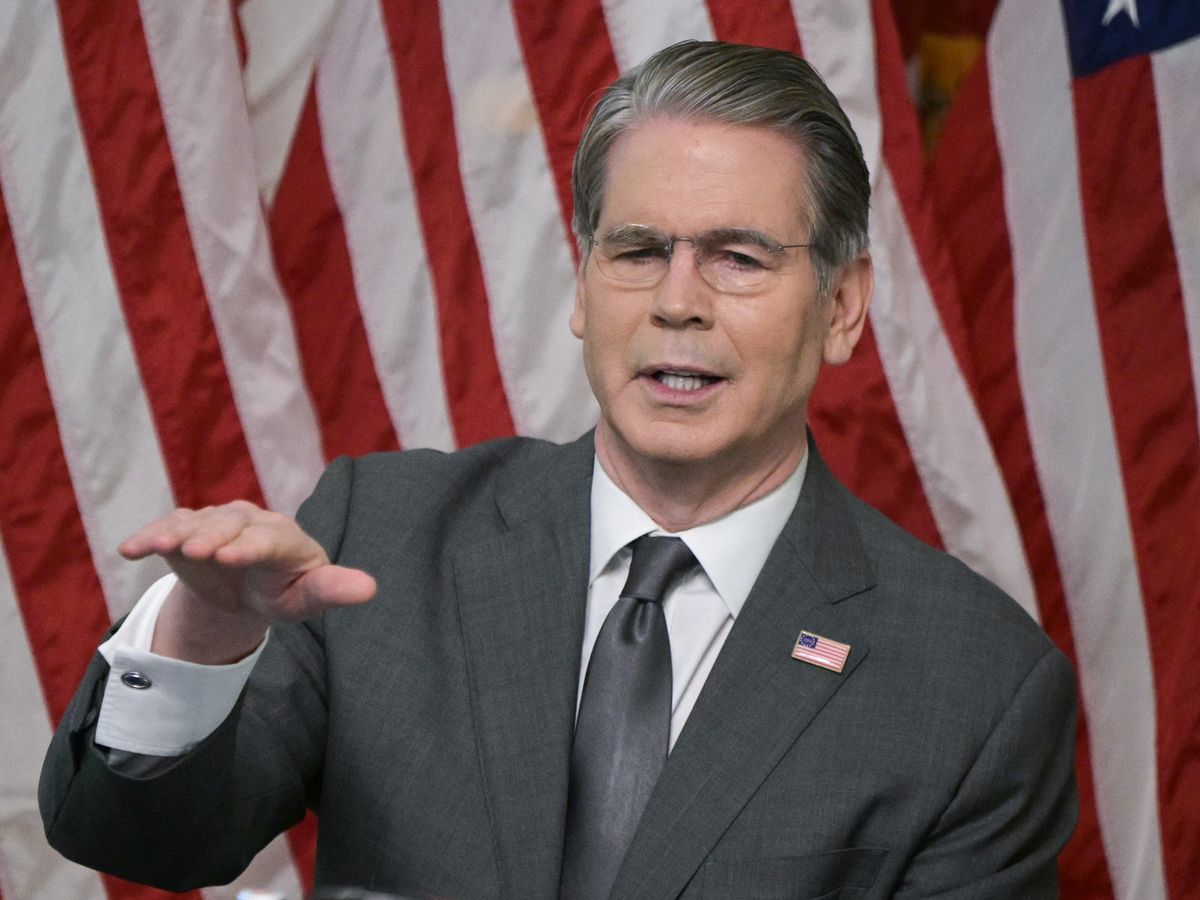
President
may be restored by July to the levels in place before the Supreme Court struck down many of his levies, Treasury Secretary
said.
“We had a setback at the
in terms of the
, but we will be implementing or conducting Section 301 studies, so the tariffs could be back in place at the previous level by beginning of July,” Bessent said Tuesday at a Wall Street Journal event in Washington.
The
said because the Section 301 tariff authority has already been tested in the courts, business leaders are able to start planning and making decisions around capital expenditures.
is seeking to restore his tariff wall using different authorities after the high court ruled that his use of emergency powers to impose those earlier duties was unconstitutional.
After the Supreme Court struck down many of his
, Trump imposed a temporary 10 per cent tariff that covers many imports. That levy is set to expire on July 24.
He also launched several Section 301 investigations — including probes into other nations’ industrial overcapacity and forced-labour practices — that could lead to tariffs in the coming months.
Bessent said that while it was hard to say when the consequences of the Iran war would “catch up” with the
, it was in strong shape.
“I do think that the growth could easily exceed three, three-and-a-half this year, still,” he said.
He added that it is a good sign that core inflation, which excludes volatile energy and food prices from the reading, continues to decline.
“I think the Fed has been wrong on inflation, and the core inflation is coming down,” said Bessent. “I understand if they want to wait till the data is clearer, but that will mean that interest rates should come down a lot more.”
Still, the March report that showed an easing of core inflation also posted a steep rise in the headline consumer price index that included gas prices.
—With assistance from Laura Davison.