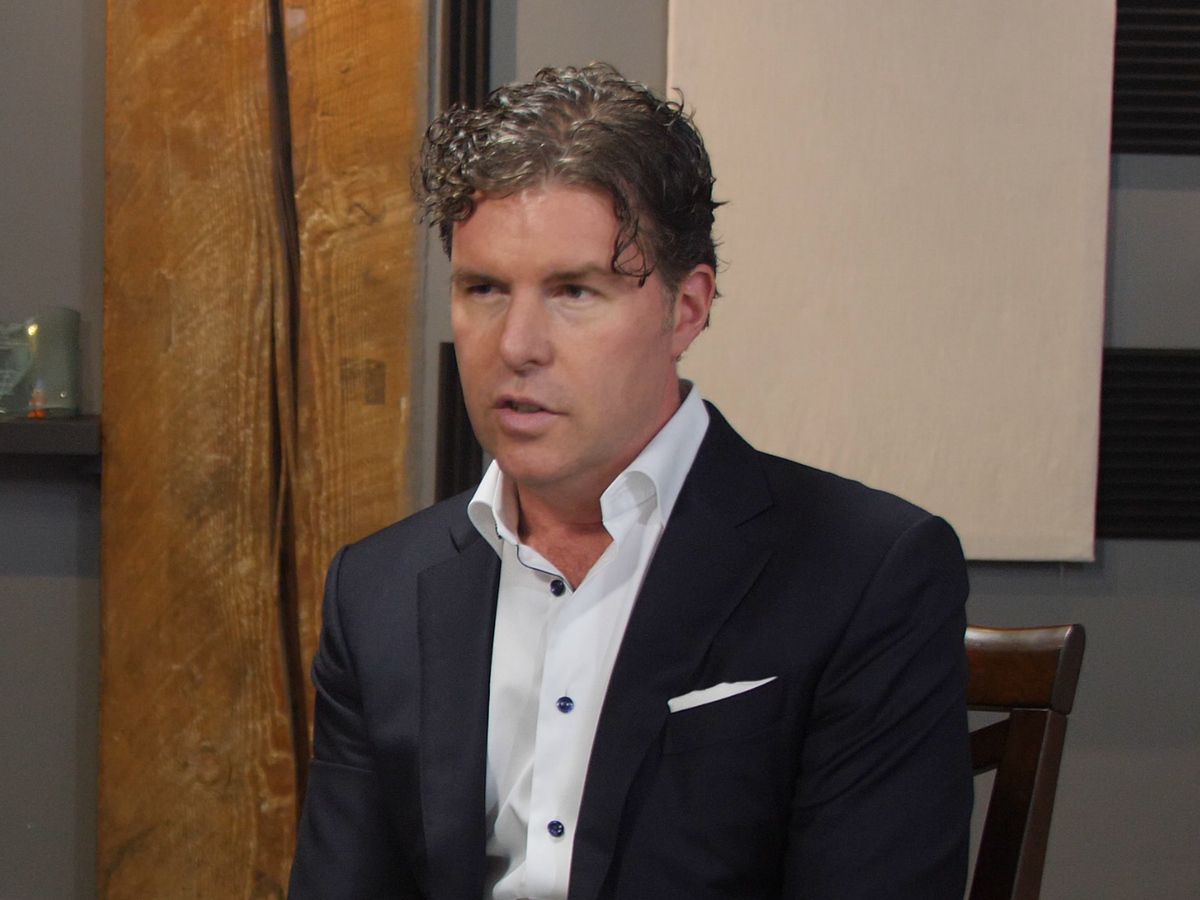
A Canadian real estate billionaire acquired half of tech investment firm Vistara Growth, committing as much as US$125 million to a new fund in a deal with roots in a business school friendship formed three decades ago.
Ryan Beedie, president of the namesake property developer founded by his father in 1954, announced the Vistara transaction on Wednesday with his firm’s alternative investments arm, Beedie Capital. Developer Beedie and Vistara are both based in Vancouver .
Beedie Capital has acquired 50 per cent of Vistara and is committing money to a new fund that aims to launch in the coming months and raise US$500 million.
Ryan Beedie and Vistara founder Randy Garg met while pursuing MBAs at the University of British Columbia, from which they both graduated in 1993.
They launched Beedie Capital together in 2010. Vistara was spun out as a separate entity in 2015, but Beedie Capital has been a “key anchor LP” in Vistara’s five funds since, which have raised more than US$700 million, the companies said. They will remain distinct companies, the statement added.
Vistara, the Sanskrit word for “expansion,” provides growth funding to technology companies . Its investments “almost all start as debt,” but over the life of a fund, roughly 25 per cent or so end up converting to equity, Garg said in a phone interview. He said his fund typically writes “US$20 million to US$30 million checks.”
Using convertible debt and warrants means founders can limit dilution when raising money, and solid companies can still access funding when they “can’t get the terms that they want” from equity-only investors, “or the growth rates have maybe slowed a little bit,” Garg said. He declined to say how much the transaction for 50 per cent of his firm was worth.
Several of the exited investments on Vistara’s website are enterprise software companies . Beedie Capital has some investments in common with Vistara on its portfolio page.
Ryan Beedie is also a mining investor. He owns the largest stake of Artemis Gold Inc. at 29 per cent, which is worth roughly $2.5 billion (US$1.8 billion), according to data compiled by Bloomberg.