The International Monetary Fund said governments must do more to narrow budget deficits and rein in global debt, which is at a record high.
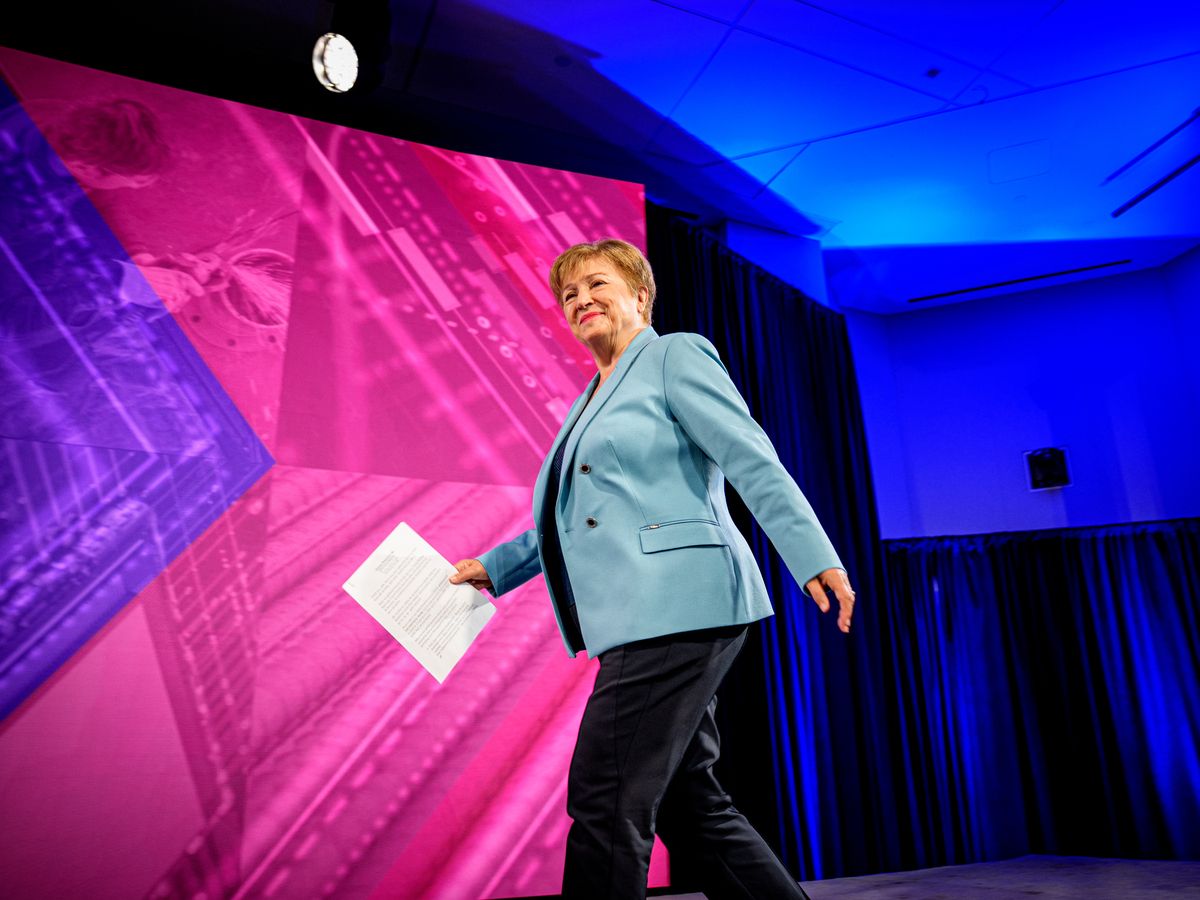
“We have been warning that fiscal consolidation must take place, and we are seeing a lot of understanding, but not enough action,” IMF Managing Director Kristalina Georgieva said on Sunday at Qatar Economic Forum in New York.
Global public debt is projected to rise above 100 per cent of gross domestic product by 2029 — two years earlier than previously anticipated — driven mainly by a surge in the U.S. and China, according to the Washington-based lender.
“We have been advocating with the U.S. to pay attention to the fiscal position.” she said. “Out of conversations with Secretary (Scott) Bessent, there is an understanding that this is not sustainable, that the U.S. has to gradually bring deficit and debt down.”
The IMF chief has repeatedly warned of the risks of rising debt levels, urging member states to take action. Last month, she said most advanced economies, including the U.S., have debt paths that call for “policy attention.”
Inflation remains “stubborn” and it “may be necessary” for central banks around the world to follow the United States Federal Reserve and European Central Bank in raising interest rates , Georgieva said, noting that higher borrowing costs will make it more difficult to service debt.
Disruptions to energy and transportation are taking a toll on commodity producers such as Qatar, Kuwait and Iraq, making “sharp contractions” in their economies likely, Georgieva said.
That said Qatar — the world’s second largest exporter of liquefied natural gas before the Iran war broke this year — built buffers that are “protecting the economy today,” she said.
“Emerging markets have today the same or better monetary policy than advanced economies, where debt levels have jumped,” she added.
The IMF, which next month will update its projections for the global economy and inflation, sees Qatar’s economy shrinking by 8.6 per cent in 2026.
Long-term uncertainty over LNG market is also a risk for the country’s growth outlook, the fund said. Before the war in Iran, it anticipated the country would grow by 6.1 per cent this year.
The government of the State of Qatar is the underwriter of the Qatar Economic Forum, Powered by Bloomberg.