Canada’s government should implement a formal mandate for the country’s pension plans to invest three per cent of their assets in high-growth companies at home , according to a think-tank report .
“It should be entirely possible for a sophisticated investment fund to allocate three per cent to Canadian growth assets, and balance the risk through the allocation of the other 97 per cent of assets,” argued the Canadian Shield Institute.
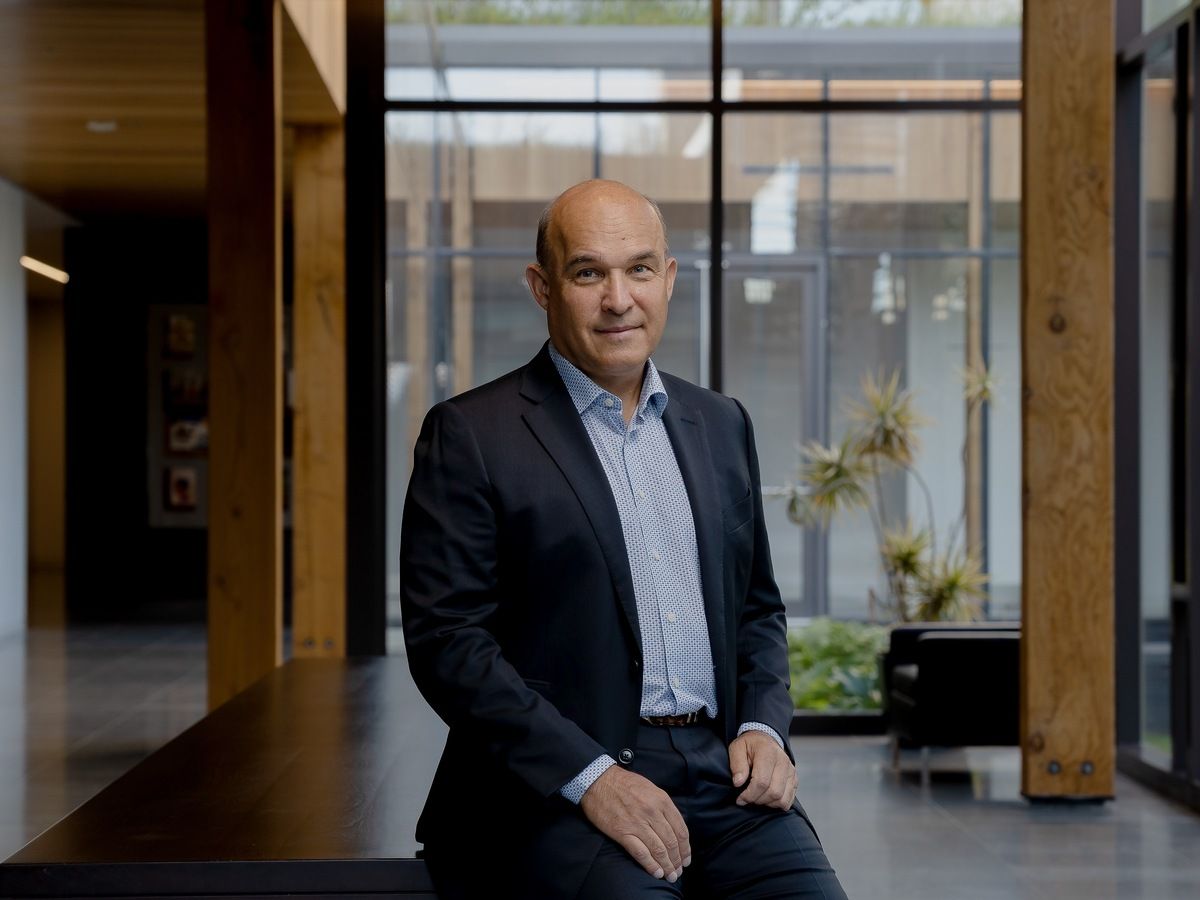
The institute aims to strengthen Canadian economic resilience and is backed by Jim Balsillie , the former head of BlackBerry Ltd., who has become an outspoken advocate for the country’s technological sovereignty.
Collectively, Canadian pension plans oversee trillions in assets, with the so-called Maple Eight being the country’s largest players. The mandate would translate to $70 billion to $90 billion of investments , the institute said.
Phased over 10 years, the three per cent would represent roughly $7 billion each year in new demand, which would be large enough to fuel the growth of up-and-coming Canadian firms, without flooding the market with capital, said the institute.

The country’s stewards of capital are under mounting pressure to deploy cash at home, particularly as the country fights a trade war with the United States.
While Prime Minister Mark Carney hosted international money managers at the inaugural Canada Investment Summit last week, several of the biggest Canadian pension funds announced plans to invest more in the country.
The funds have also expressed interest in infrastructure assets such as airports. During the summit last week, Carney’s government announced it would allow private investors to take long-term contracts to run the country’s four largest airports.
Still, the institute argued, a close look at the pension funds’ announced investment commitments “reveals strikingly little detail.” It urged the funds to be more transparent, and stop sending contradictory signals about confidence in the Canadian economy.
“More powerful than signals would be if the government and the country’s largest pension funds targeted the most economically potent high-growth companies building for the future,” it said. “We can invest in Canada, grow Canada, and capture the future wealth to help fund retired Canadians.”