Fox Corp. agreed to acquire Roku Inc. in a deal valued at about US$22 billion including debt, creating a new television juggernaut and marking a big push into ad-supported streaming .
The deal will blend Fox’s sports, news and entertainment channels, including the free, ad-supported Tubi, with Roku’s streaming platform of more than 100 million subscribers, the companies said in a statement Monday. The acquisition will create the third-largest player in the United States television market by share of viewing, spanning broadcast, cable, local and streaming, the companies said.
“This combination will transform the scope of our company into high-growth verticals and yield a step change in our overall growth profile,” Fox chief executive Lachlan Murdoch said in the statement.
According to terms of the deal, Fox will pay US$96 in cash and 0.9693 Fox Class A shares per Roku share. Roku shares jumped 20 per cent on Friday after Bloomberg reported the company was in talks on a sale. On Monday, Roku shares slid about 1.9 per cent to US$140.95 as trading got underway in New York, while Fox shares tumbled 18 per cent.
The sharp decline in Fox shares means the stock component of the agreement would be worth less if it holds through the closing of the deal. Based on where Fox traded Monday, the ratio of stock and cash would pay Roku shareholders was roughly US$143 per share, about two per cent above where Roku stock was trading.
The acquisition will help bolster the company’s streaming business as consumers are increasingly shifting to cheaper ad-supported plans from traditional subscription models. Fox bought Tubi in 2020 and it has since become one of the company’s major growth engines. In its last earnings report, Fox said Tubi had nearly 100 million monthly active users and that revenue had increased 23 per cent in the fiscal third quarter. Fox’s other streaming properties include Fox One and Fox Nation.
Combining Tubi with Roku creates a powerhouse of free, ad-supported streaming to help it better compete with Amazon.com Inc. and Netflix Inc. for advertising dollars. Fox plans to keep Tubi and the Roku Channel as separate offerings, Murdoch said on a conference call with analysts, adding that the two services are complementary.
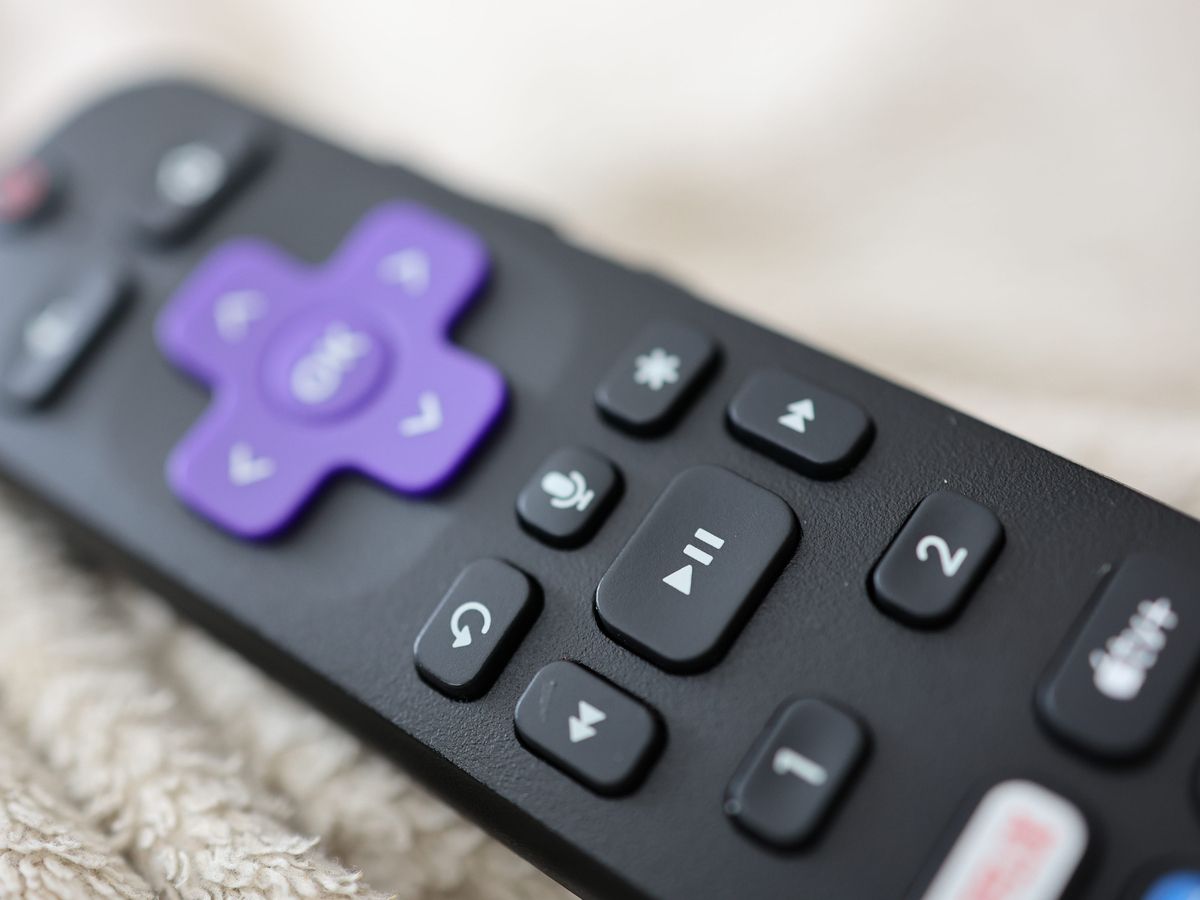
Roku’s streaming devices helped usher in the era of digital home entertainment by allowing consumers to stream content from apps including Netflix and HBO Max on their televisions, essentially transforming any TV into a smart TV . The company also sells branded TVs, projectors.
But Roku makes most of its money selling digital advertising and distributing streaming services, with device sales contributing a much smaller portion of revenue. The platform segment generated US$4.1 billion, or 87.5 per cent, of the company’s revenue last year, slightly more than the previous year. The company keeps prices low on hardware to attract users, whose viewing habits it sells to advertisers, which is where the bulk of the growth potential is.
Streaming in the U.S. now accounts for nearly 50 per cent of all TV viewing, executives said on the call. Advertising spending on connected televisions as a proportion of total TV advertising spending has grown to 41 per cent in the last few years from 25 per cent, the executives said, noting “that trend just continues.”
“Consumers are gravitating toward simpler, more unified experiences on their favourite platforms like Roku,” Murdoch said. “Advertisers are reaching similar conclusions, seeking large audiences, improved digital targeting and more consistent measurement across platforms.”
Nearly every inch of real estate on Roku is for rent. For example, a streaming service can take over the home screen to advertise a new show. Hulu, Netflix, Showtime, and YouTube have paid Roku to build brand-specific buttons on its remote controls; these lead users straight to those services. The cost can quickly add up to millions of dollars in monthly fees.
Roku’s large installed base of cord cutters gives it an advantage over any other media company that wants to lure new subscribers. Traditionally, cable- and satellite-TV distributors have paid media companies to carry their networks and received a slice of their advertising inventory in return. Roku doesn’t pay anything to the channels it distributes, yet it still takes a share of their ad revenue. Roku also signs limited deals with streaming networks, enabling it to renegotiate and seek higher fees quickly.
But in recent years, Roku has seen its pioneering smart TV operating system come under siege from competing services offered by tech giants like Google and especially Amazon with its Fire TV.
Roku chief executive Anthony Wood, who founded the company in 2002, said the deal will provide more value to consumers as they face rising TV subscription costs and more fragmentation in media.
“We’ll also be better positioned to help our content partners build, engage and monetize large audiences and to give our advertising partners unique ways to reach our large and loyal base of TV users,” he said.
Wood will stay on in the new combined company and join the Fox board.
The deal is expected to close in the first half of 2027. Fox received US$12 billion in fully committed bridge financing from Morgan Stanley Senior Funding for the deal, according to the statement.
—With assistance from Jake Rudnitsky.